Understanding Managed IT Services
Managed IT services encompass a range of proactive support solutions designed to enhance the efficiency and security of your business's technology infrastructure. By outsourcing IT management to specialized providers, organizations can focus on their core operations while ensuring that their technology needs are met effectively.
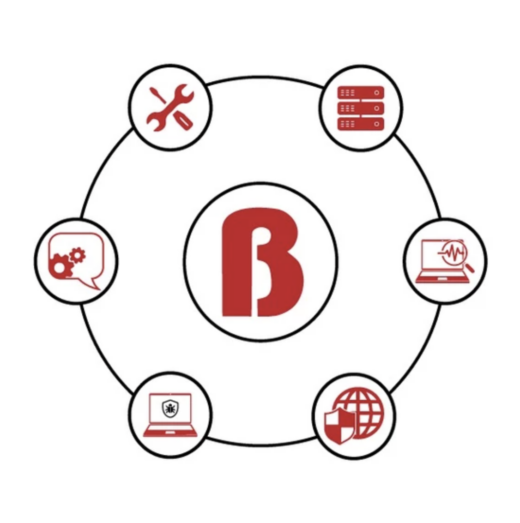
For example, managed IT services can include network monitoring, data backup, cybersecurity measures, and help desk support. This comprehensive approach not only helps in reducing downtime but also optimizes the overall performance of business operations, allowing for greater productivity and cost savings.
Benefits of Upgrading Technology Solutions
Upgrading technology solutions is essential for businesses aiming to stay competitive in today's fast-paced digital landscape. Modern solutions provide enhanced functionality, better security features, and improved user experiences, all of which contribute to higher employee productivity and satisfaction.
For instance, transitioning from traditional fax systems to cloud-based document management solutions allows for secure, efficient document sharing and storage. This not only streamlines processes but also reduces operational costs associated with outdated technology.
Key Features of Effective IT Management
Effective IT management integrates several key features that are crucial for maintaining a secure and efficient technology environment. These features include proactive monitoring, regular updates, and robust cybersecurity protocols that protect sensitive business data from potential threats.
Additionally, an effective IT management strategy often incorporates user training and support, ensuring that employees are equipped to utilize technology efficiently. This holistic approach helps businesses mitigate risks and enhances their overall operational capabilities.
Common Challenges in IT Infrastructure
Organizations often face numerous challenges when managing their IT infrastructure, including limited resources, outdated technology, and insufficient cybersecurity measures. These challenges can lead to operational inefficiencies and increased vulnerability to cyber threats.
For example, small to mid-sized businesses may struggle with maintaining an in-house IT team capable of addressing all technical issues. By recognizing these challenges, businesses can seek managed IT services that provide the expertise and resources needed to overcome such obstacles and ensure a robust technology framework.
Understanding Managed IT Services
Managed IT services encompass a range of proactive support solutions designed to enhance the efficiency and security of your business's technology infrastructure. By outsourcing IT management to specialized providers, organizations can focus on their core operations while ensuring that their technology needs are met effectively.
For example, managed IT services can include network monitoring, data backup, cybersecurity measures, and help desk support. This comprehensive approach not only helps in reducing downtime but also optimizes the overall performance of business operations, allowing for greater productivity and cost savings.
Benefits of Upgrading Technology Solutions
Upgrading technology solutions is essential for businesses aiming to stay competitive in today's fast-paced digital landscape. Modern solutions provide enhanced functionality, better security features, and improved user experiences, all of which contribute to higher employee productivity and satisfaction.
For instance, transitioning from traditional fax systems to cloud-based document management solutions allows for secure, efficient document sharing and storage. This not only streamlines processes but also reduces operational costs associated with outdated technology.
Key Features of Effective IT Management
Effective IT management integrates several key features that are crucial for maintaining a secure and efficient technology environment. These features include proactive monitoring, regular updates, and robust cybersecurity protocols that protect sensitive business data from potential threats.
Additionally, an effective IT management strategy often incorporates user training and support, ensuring that employees are equipped to utilize technology efficiently. This holistic approach helps businesses mitigate risks and enhances their overall operational capabilities.
Common Challenges in IT Infrastructure
Organizations often face numerous challenges when managing their IT infrastructure, including limited resources, outdated technology, and insufficient cybersecurity measures. These challenges can lead to operational inefficiencies and increased vulnerability to cyber threats.
For example, small to mid-sized businesses may struggle with maintaining an in-house IT team capable of addressing all technical issues. By recognizing these challenges, businesses can seek managed IT services that provide the expertise and resources needed to overcome such obstacles and ensure a robust technology framework.