Understanding the Cost Benefits of Cloud Communications
Cloud communications can significantly reduce operational costs for businesses by eliminating the need for expensive on-premises hardware and maintenance. By leveraging cloud-based solutions, companies can streamline their communication processes, allowing for more flexibility and scalability.
For instance, businesses can save on costs associated with traditional phone lines and hardware upgrades, as cloud services often come with lower subscription fees and automatic updates. Furthermore, features like video conferencing and instant messaging included in many cloud solutions can reduce travel and meeting expenses, contributing to overall cost savings.
Maximizing Efficiency with Managed IT Services
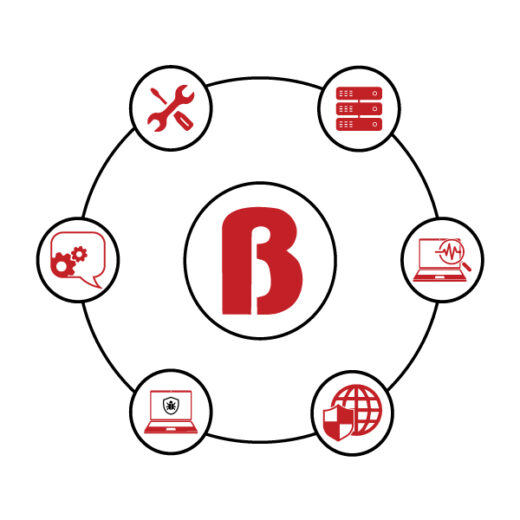
Managed IT services play a crucial role in enhancing business efficiency by providing expert support and proactive management of IT infrastructure. Businesses can focus on their core operations while relying on IT specialists to handle system maintenance, cybersecurity, and troubleshooting.
For example, outsourcing IT management allows businesses to access the latest technology and best practices without the overhead of hiring full-time staff. This can lead to improved productivity, reduced downtime, and ultimately lower operational costs, making managed IT services an essential component for modern enterprises.
Implementing Sustainable Practices through Technology
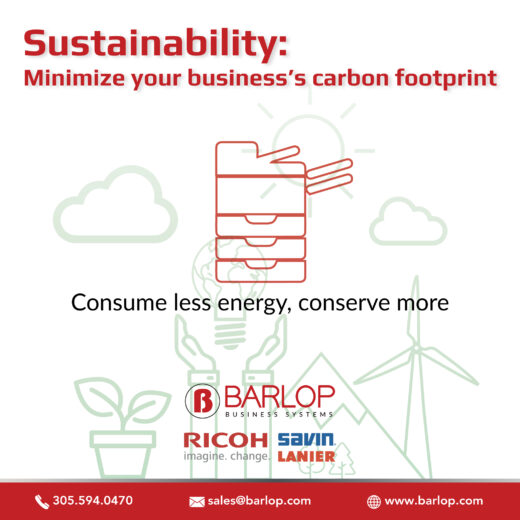
Integrating sustainability into business operations is not just a trend; it's a necessity for long-term success. Technology can facilitate this by providing tools that help monitor and reduce energy consumption, waste, and carbon footprints.
For instance, cloud-based applications can optimize resource usage and reduce the need for physical materials, while data analytics can identify areas for improvement in energy efficiency. Companies adopting these technologies not only enhance their sustainability efforts but also appeal to environmentally conscious consumers, potentially boosting their market share.
The Future of Office Cost Management
As businesses evolve, so do the strategies for managing office costs. The future of cost management will likely involve a combination of advanced technologies, flexible work arrangements, and innovative service models that prioritize efficiency and sustainability.
Emerging trends such as remote work solutions and AI-driven analytics tools will empower businesses to make data-informed decisions that can significantly cut costs. By staying ahead of these trends, companies can ensure they remain competitive while effectively managing their operational expenses.
Understanding the Cost Benefits of Cloud Communications
Cloud communications can significantly reduce operational costs for businesses by eliminating the need for expensive on-premises hardware and maintenance. By leveraging cloud-based solutions, companies can streamline their communication processes, allowing for more flexibility and scalability.
For instance, businesses can save on costs associated with traditional phone lines and hardware upgrades, as cloud services often come with lower subscription fees and automatic updates. Furthermore, features like video conferencing and instant messaging included in many cloud solutions can reduce travel and meeting expenses, contributing to overall cost savings.
Maximizing Efficiency with Managed IT Services
Managed IT services play a crucial role in enhancing business efficiency by providing expert support and proactive management of IT infrastructure. Businesses can focus on their core operations while relying on IT specialists to handle system maintenance, cybersecurity, and troubleshooting.
For example, outsourcing IT management allows businesses to access the latest technology and best practices without the overhead of hiring full-time staff. This can lead to improved productivity, reduced downtime, and ultimately lower operational costs, making managed IT services an essential component for modern enterprises.
Implementing Sustainable Practices through Technology
Integrating sustainability into business operations is not just a trend; it's a necessity for long-term success. Technology can facilitate this by providing tools that help monitor and reduce energy consumption, waste, and carbon footprints.
For instance, cloud-based applications can optimize resource usage and reduce the need for physical materials, while data analytics can identify areas for improvement in energy efficiency. Companies adopting these technologies not only enhance their sustainability efforts but also appeal to environmentally conscious consumers, potentially boosting their market share.
The Future of Office Cost Management
As businesses evolve, so do the strategies for managing office costs. The future of cost management will likely involve a combination of advanced technologies, flexible work arrangements, and innovative service models that prioritize efficiency and sustainability.
Emerging trends such as remote work solutions and AI-driven analytics tools will empower businesses to make data-informed decisions that can significantly cut costs. By staying ahead of these trends, companies can ensure they remain competitive while effectively managing their operational expenses.